Vision Therapy Exercises for Binocular Vision
Vision therapy exercises are structured activities that improve the coordination and teamwork of your eyes. They complement dichoptic game training by developing essential binocular skills: convergence, divergence, fixation, and image fusion. Below is a comprehensive guide to the most effective exercises, with step-by-step instructions for each.
Exercises build visual skills, but they are different from screening; for a brief overview of how Lazy Eye Games approaches acuity, crowding, and depth-perception assessment, see our Amblyopia Test & Screening app guide.
Brock String
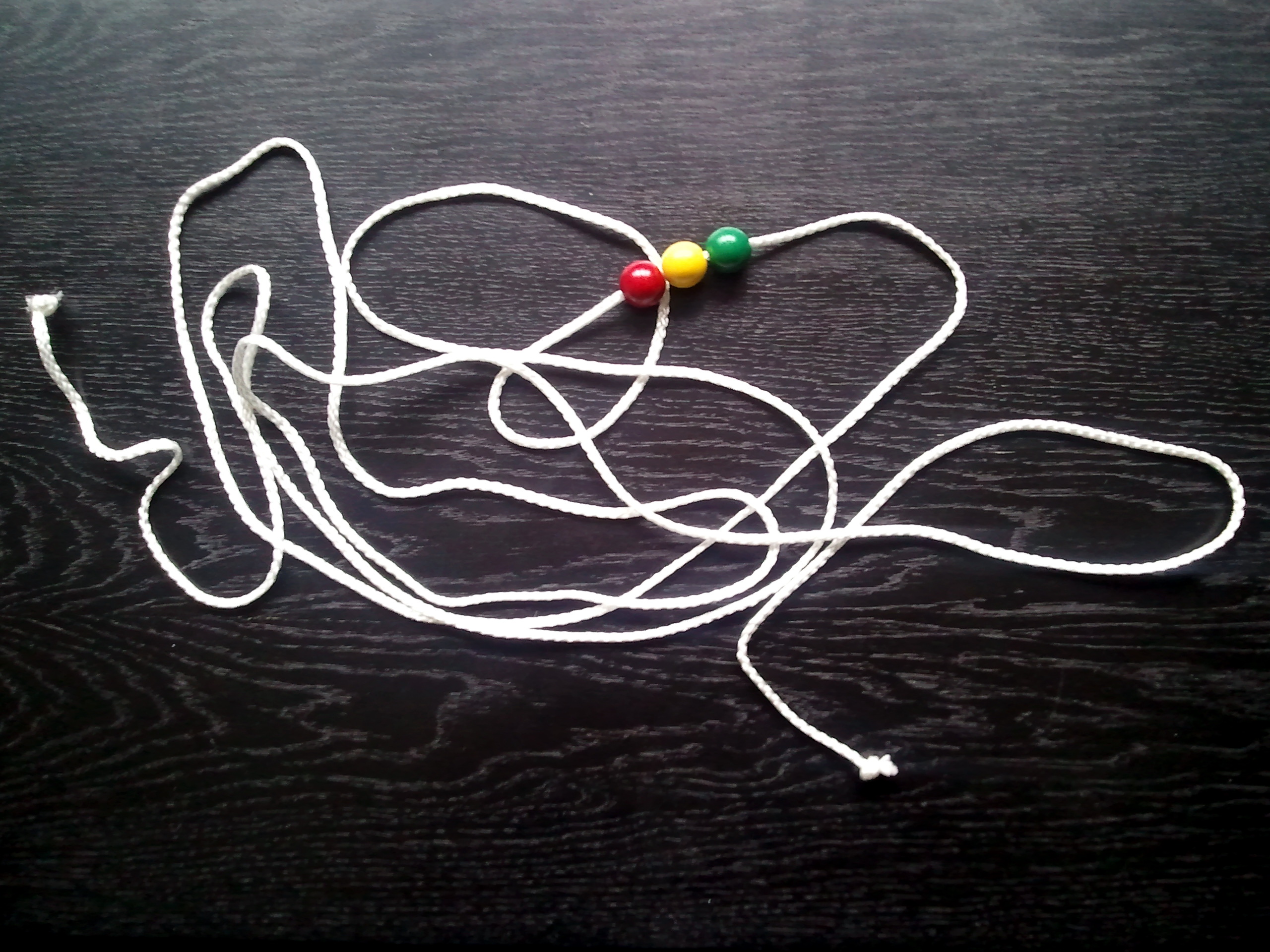
The Brock String is a classic vision therapy tool for developing binocular vision. Invented by Frederick W. Brock, it trains your eyes to move together and fixate on the same point.
What you need: A white string (about 110 cm) with three colored beads. Standard lengths range from 30 cm to 3 meters, with two to five beads.
Using two-color glasses during this exercise gives extra feedback: the string appears in two colors, making it easier to see each eye's contribution.
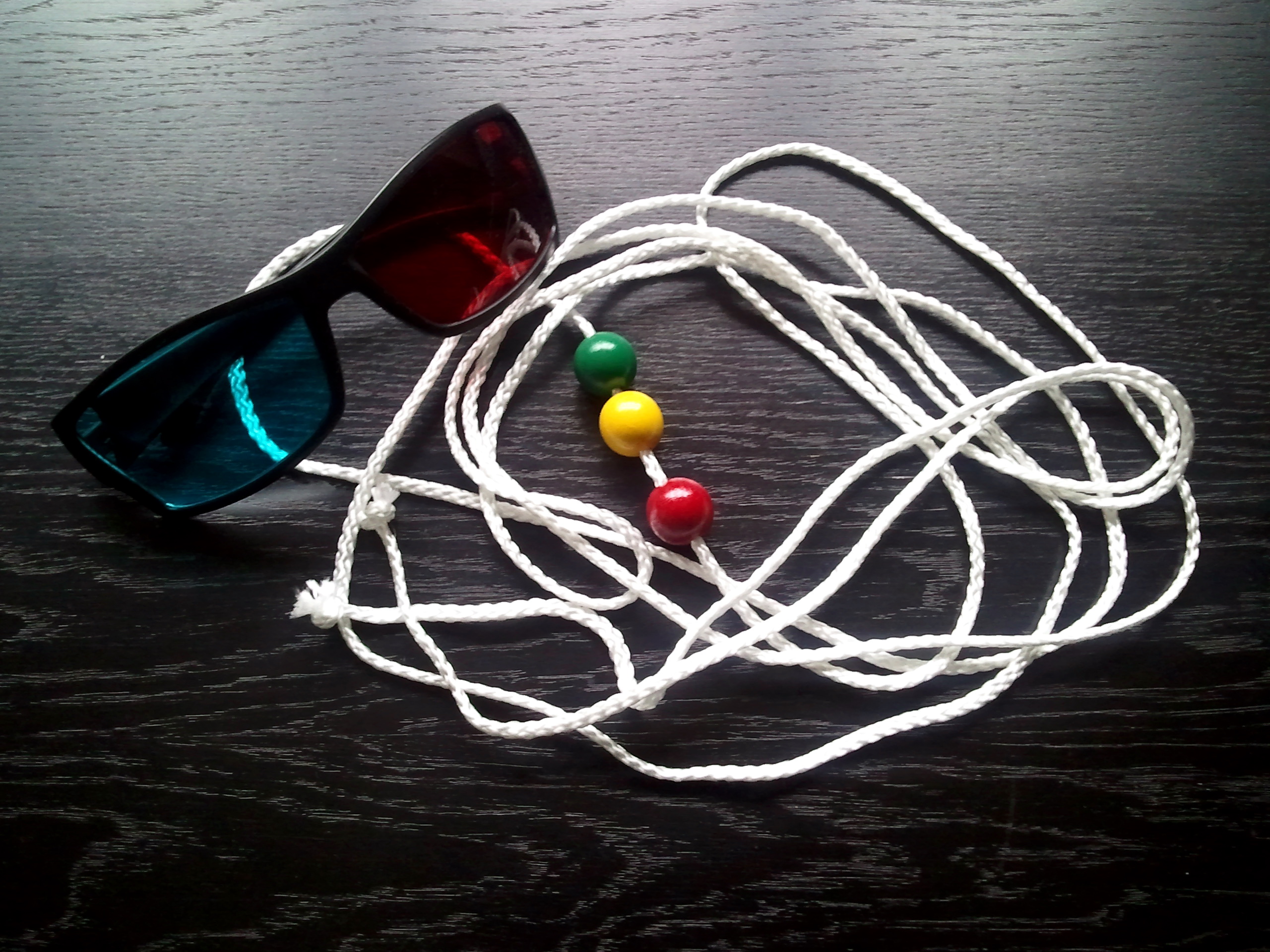
Instructions
- Tie one end of the string to a fixed point (like a doorknob).
- Space the beads evenly, at least 30 cm apart.
- Hold the other end against the bridge of your nose and pull the string taut.
- Focus on the nearest bead for five seconds, then shift to the next bead. Repeat forward and backward.
- Do 10 complete cycles per session.
What to look for: When your fixation is accurate, the two strings should appear to converge and form an "X" at the bead you are focusing on. If the X appears in front of or behind the bead, you need more convergence or divergence practice.
Downloadable guides: Brock String Instructions (PDF) | Brock String Manual (PDF) | Brock Technique Manual (PDF)
Barrel Card
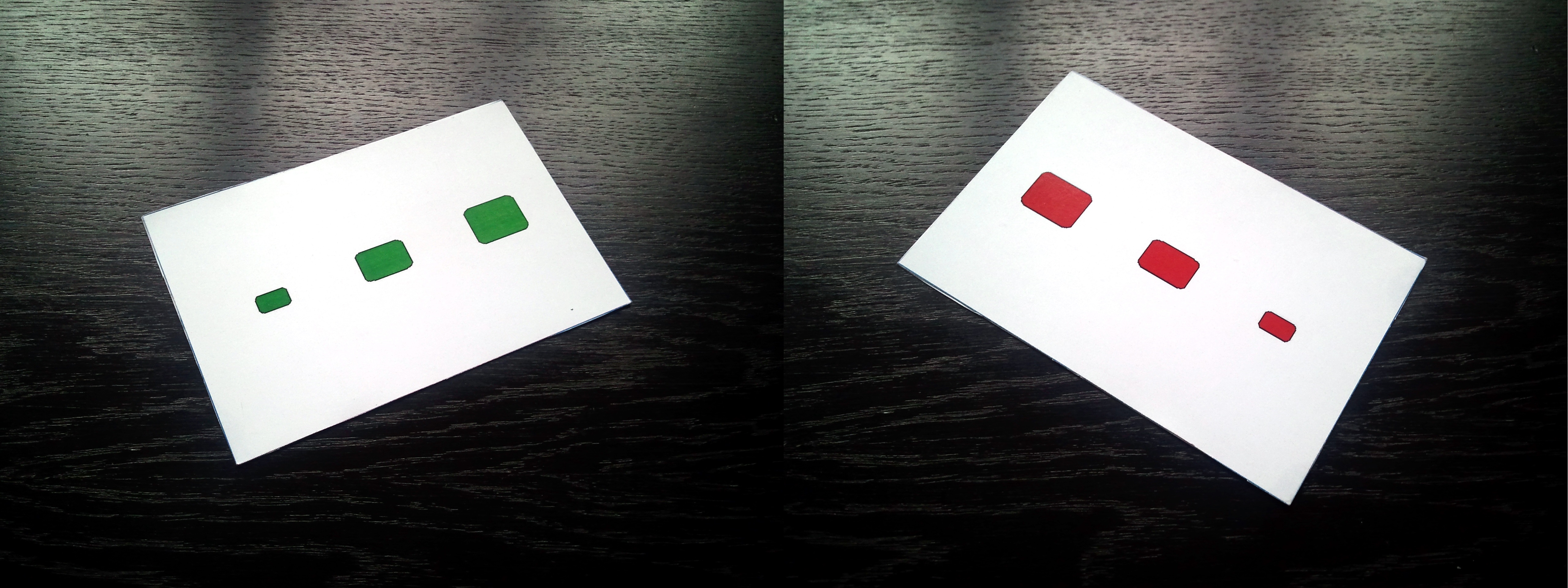
The Barrel Card develops convergence and divergence skills, with particular emphasis on near convergence ability.
What you need: A card printed with three different-sized barrel shapes on each side, in complementary color pairs (typically red and green).
Instructions
- Hold the card between your index finger and thumb at the lower edge.
- Position it against the bridge of your nose with the smallest barrel closest to you, chin slightly raised.
- Focus on each barrel pair in turn. The one you are focusing on should appear as a single fused image (a blend of both colors). The other two pairs should appear doubled.
- Hold each fused barrel in focus for five seconds. Work forward and backward through all three barrels.
- Repeat for 10 complete cycles.
Downloadable guide: Barrel Card Printable (PDF)
Free Space Fusion Cards (Eccentric Circles)
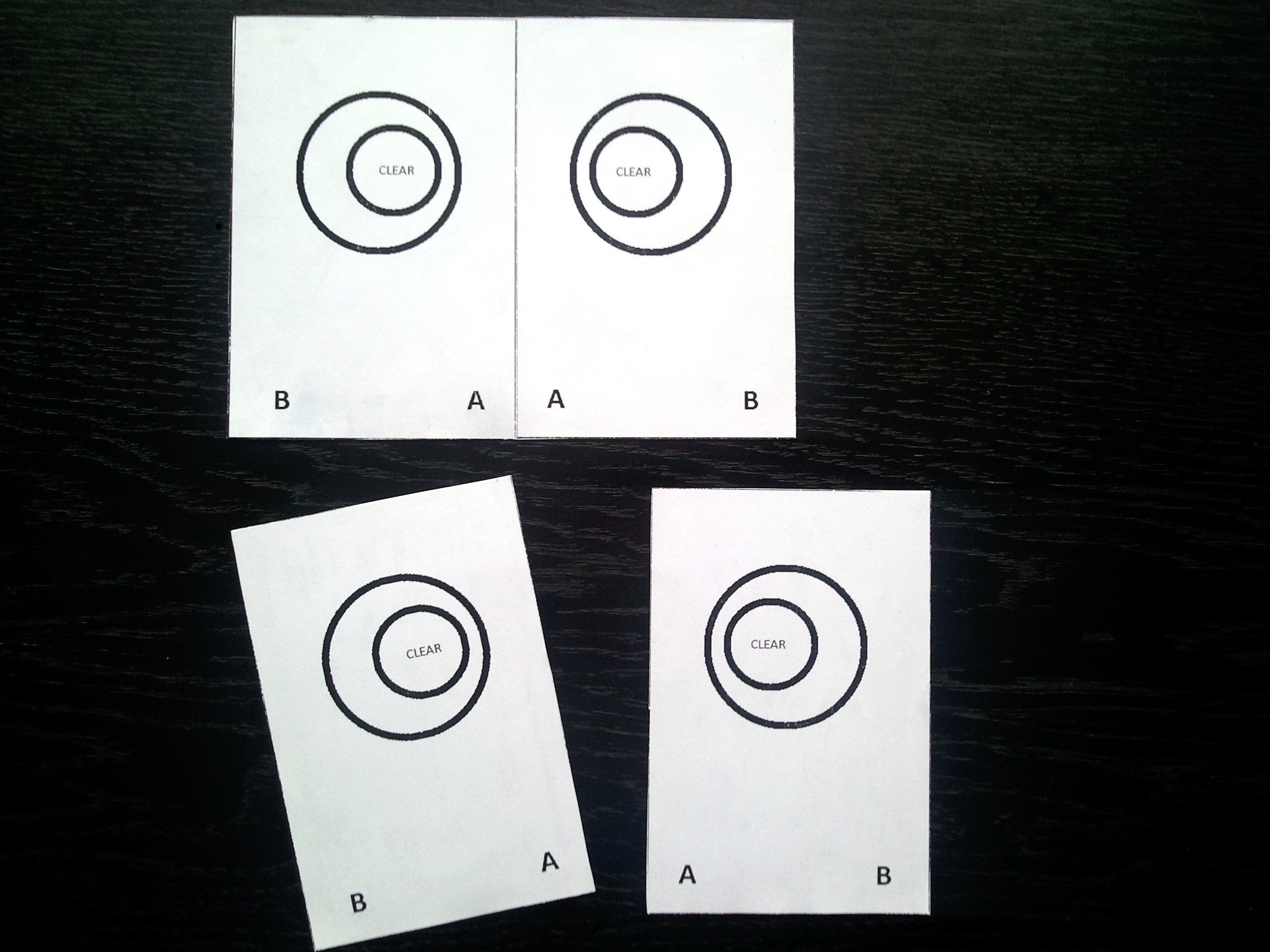
These cards develop positive and negative image fusion, improving both convergence and divergence. Each card features concentric circles and a short word (e.g., "CLEAR") at the center.
Instructions
- Hold the two cards against the bridge of your nose, about 40 cm from your eyes.
- Focus on a point in the air in front of the cards so the two images cross and overlap.
- If you have difficulty, use a pointer (such as a pencil) held between the card and your eyes as a focus aid.
- When fusion succeeds, you should see three cards: the middle one is the fused image.
- Focus on the central word and try to read it clearly.
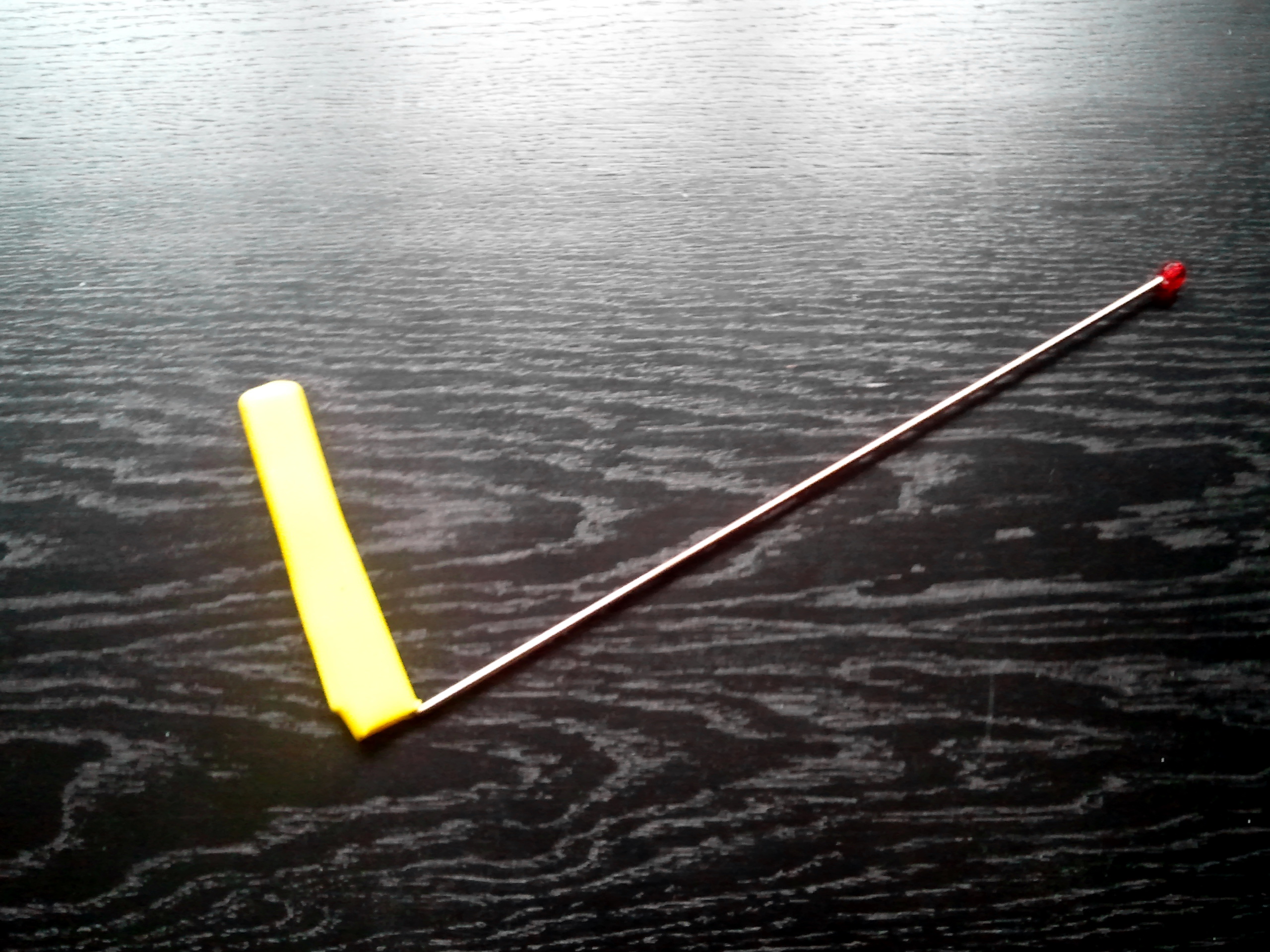
Downloadable guide: Eccentric Circles Printable (PDF)
Tranaglyphs
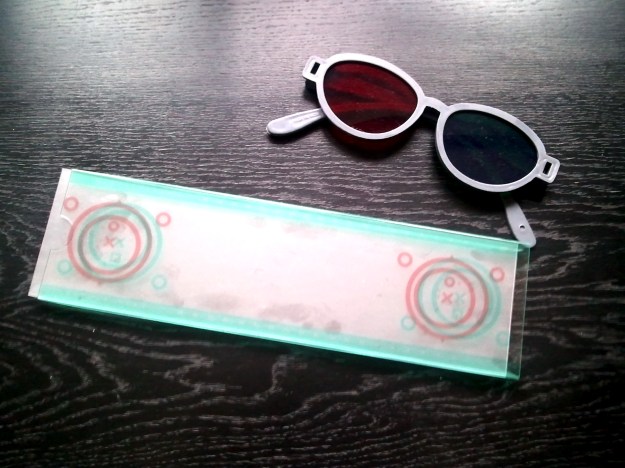
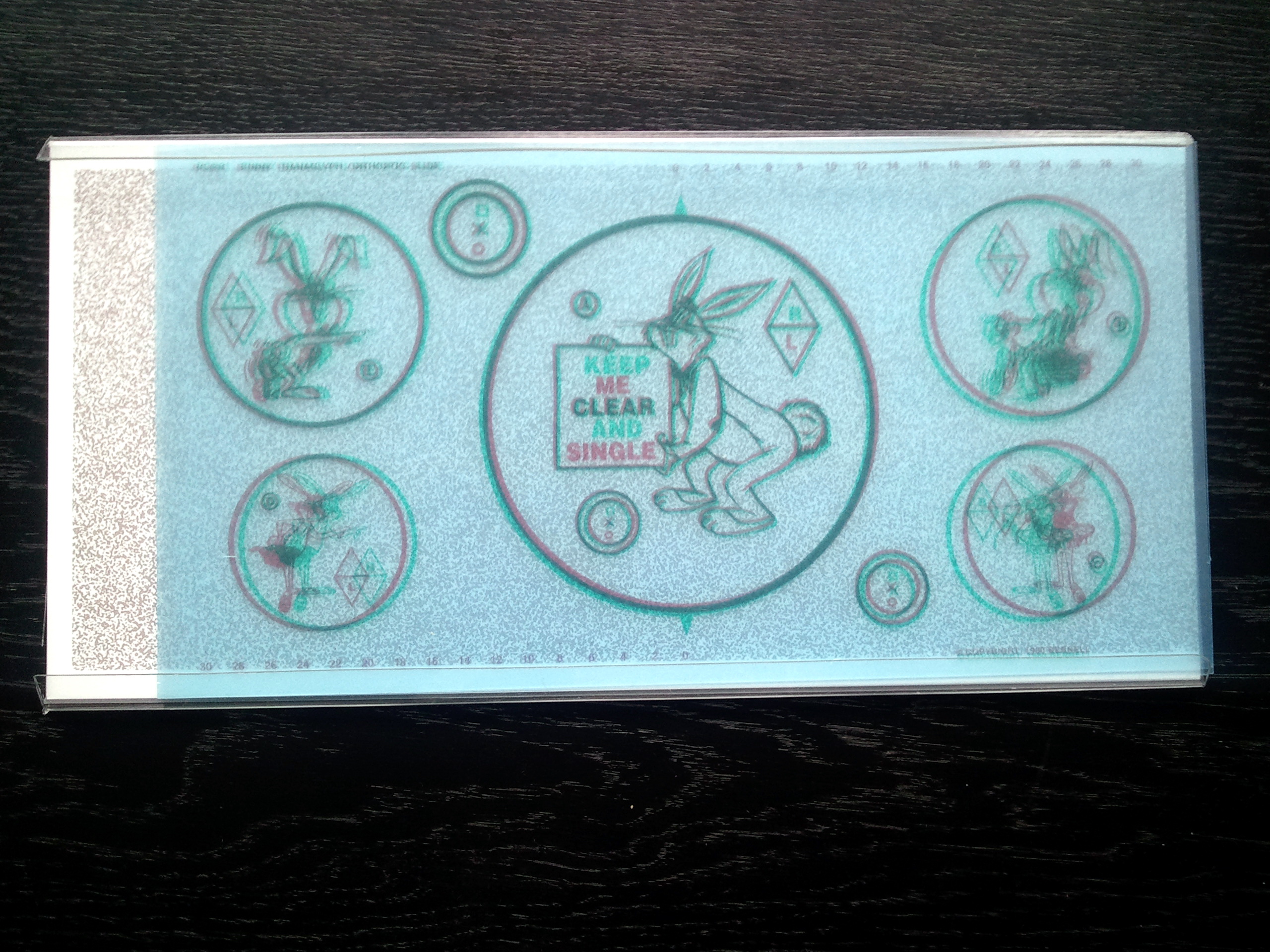
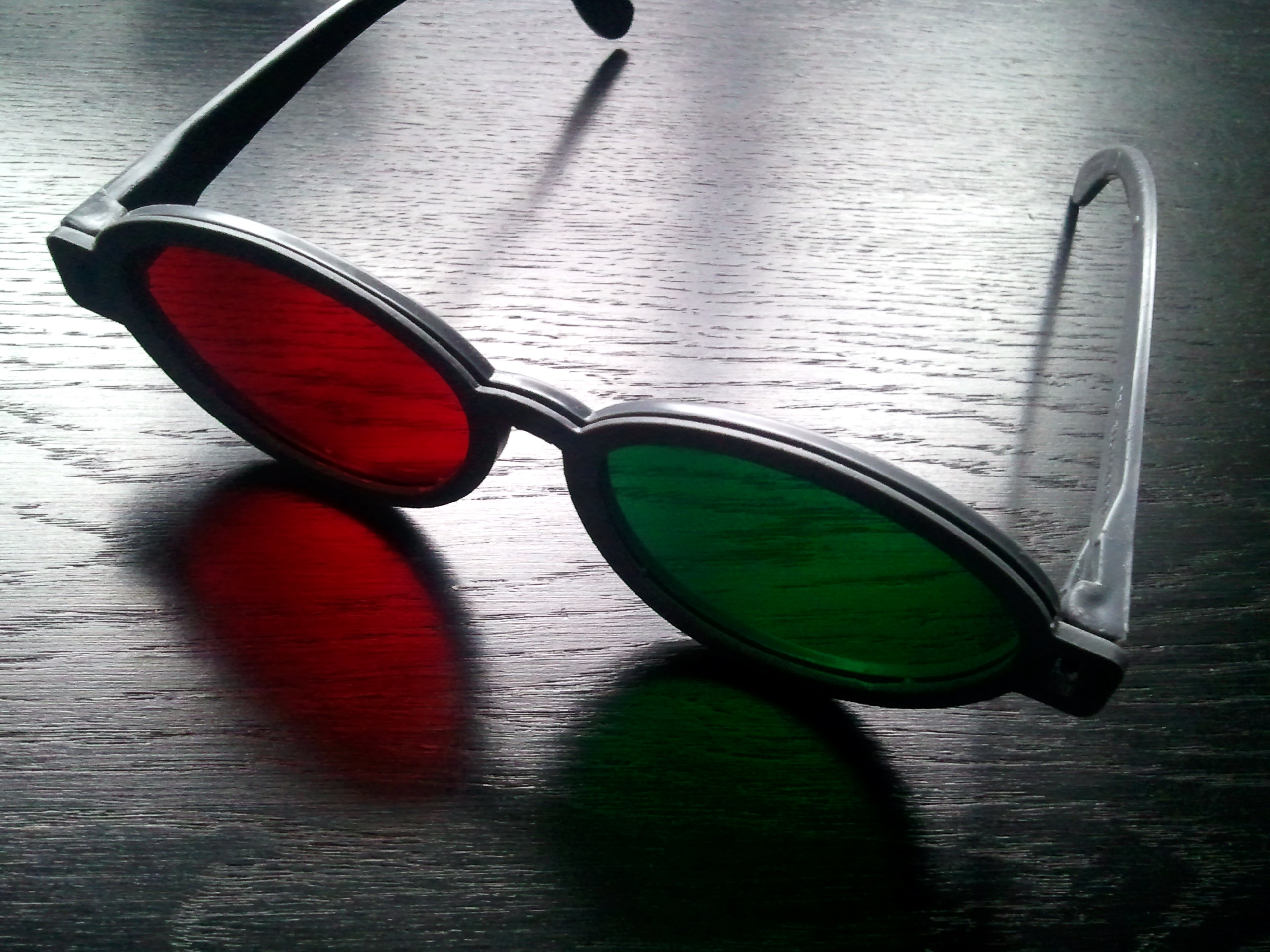
Tranaglyphs are red/green printed images used with anaglyph glasses to practice image fusion and improve convergence and divergence skills. Each lens cancels the target of the same color, presenting each eye with a separate image that the brain then fuses into a single three-dimensional percept.
Instructions
- Put on your red/green glasses.
- Hold the tranaglyph target at reading distance (approximately 40 cm).
- Attempt to fuse the two images into a single three-dimensional image.
- Hold the fused image as long as possible, and practice regaining fusion quickly when it breaks.
- Work for 5 to 10 minutes per session.
Aperture Rule
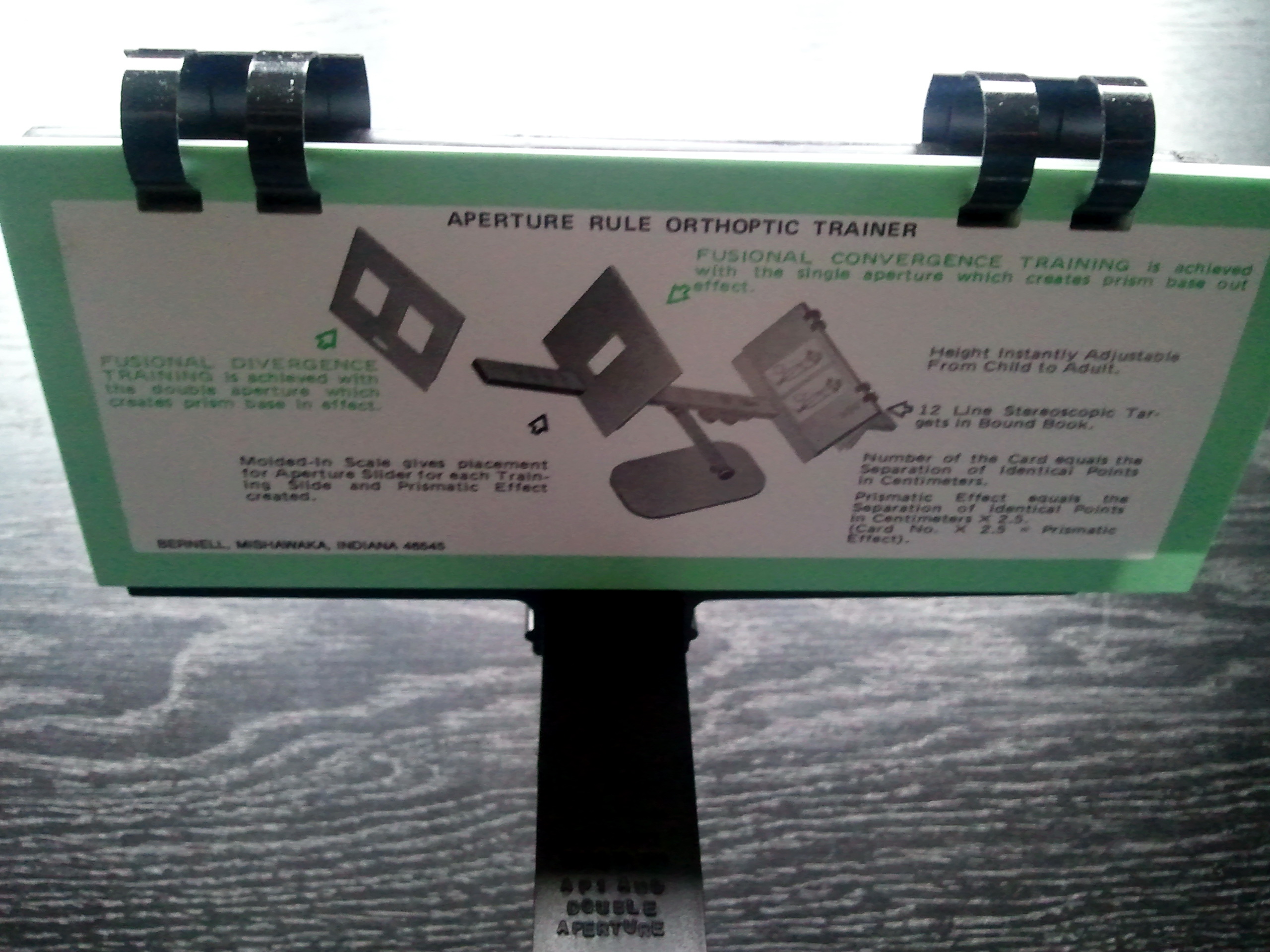
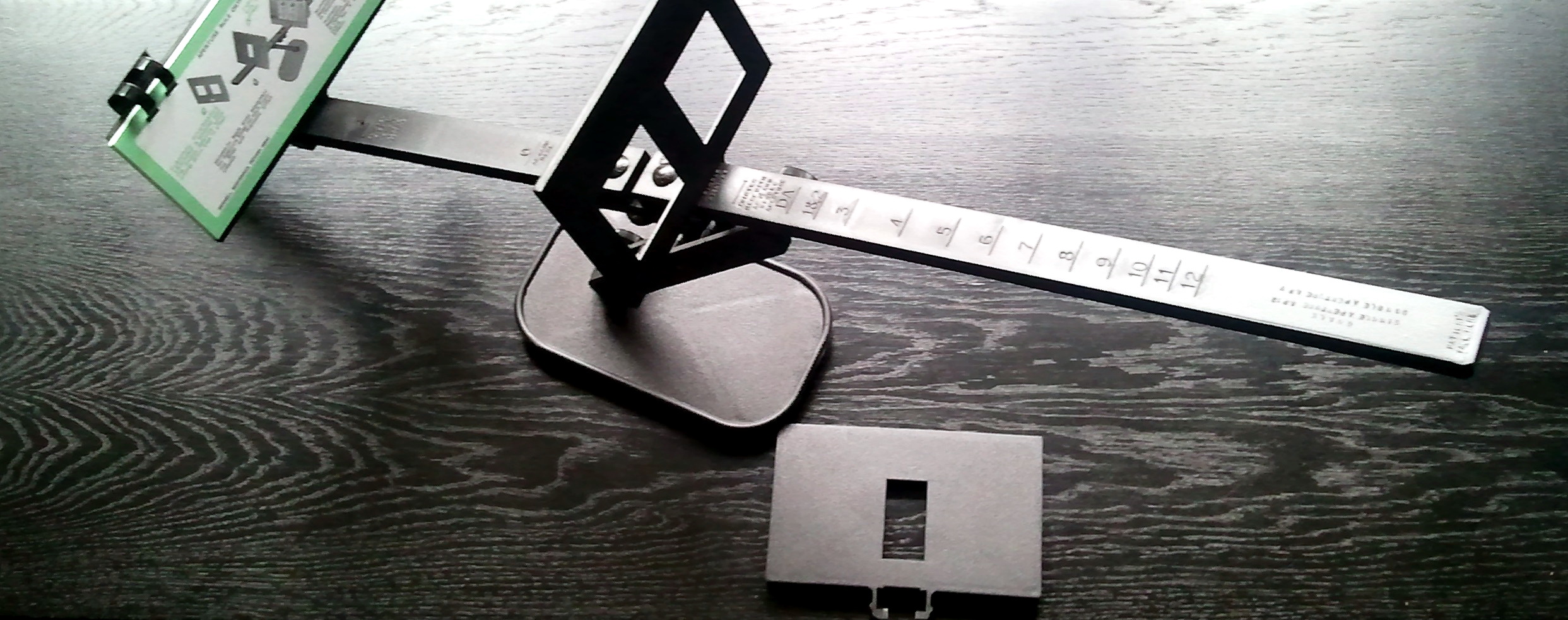
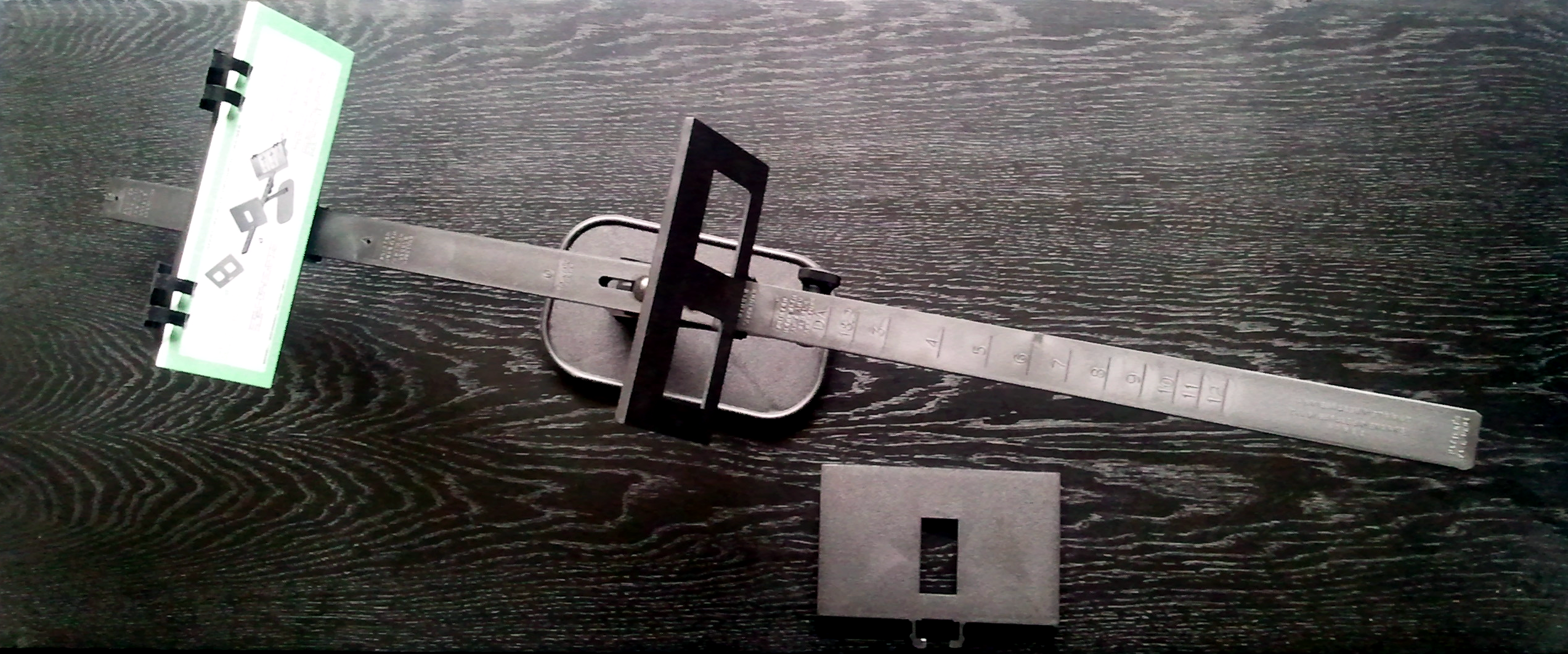
The aperture rule is a specialized tool for strengthening convergence and divergence. It helps train the eyes to work together comfortably during sustained near work such as reading.
Convergence Training
- Position the single-opening aperture card at mark "1" on the ruler, facing you.
- Place the tip of your nose against the end of the ruler, centered between your eyes.
- Close your left eye: you should see only the ball. Close your right eye: you should see only the cross.
- Look with both eyes and fuse the two targets into one combined image containing both the cross and the ball.
Divergence Training
- Use the double-opening aperture card instead.
- Follow the same positioning procedure.
- Close your left eye to verify you see only the cross; close your right eye to verify you see only the ball.
- Open both eyes and fuse the stereo circles at the bottom of the target card into a single three-dimensional image.
Face to Face
This partner-based exercise helps identify and reduce suppression of the non-dominant eye.
What you need: Two pairs of 3D glasses and an assistant (or one pair and a mirror).
Instructions
- Both participants put on the 3D glasses.
- Sit or stand facing each other at a distance of 60 to 90 cm.
- If there is no dominant-eye suppression, you should be able to see both of the other person's eyes through the glasses.
- If one lens appears dark and you can only see one eye, your brain is suppressing input from that eye.
- Adjust your distance, blink frequently, and rest your eyes periodically. The exercise succeeds when you can see both eyes simultaneously.
Downloadable guide: Face to Face Exercise Details (PDF)
Accommodative Push-Ups
Accommodative push-ups train the eye's focusing system (accommodation). By rapidly shifting focus between near and far targets, this exercise strengthens the ciliary muscles and improves the ability to sustain clear focus at varying distances.
Downloadable guide: Accommodative Push-Ups (PDF)
Stereoscope
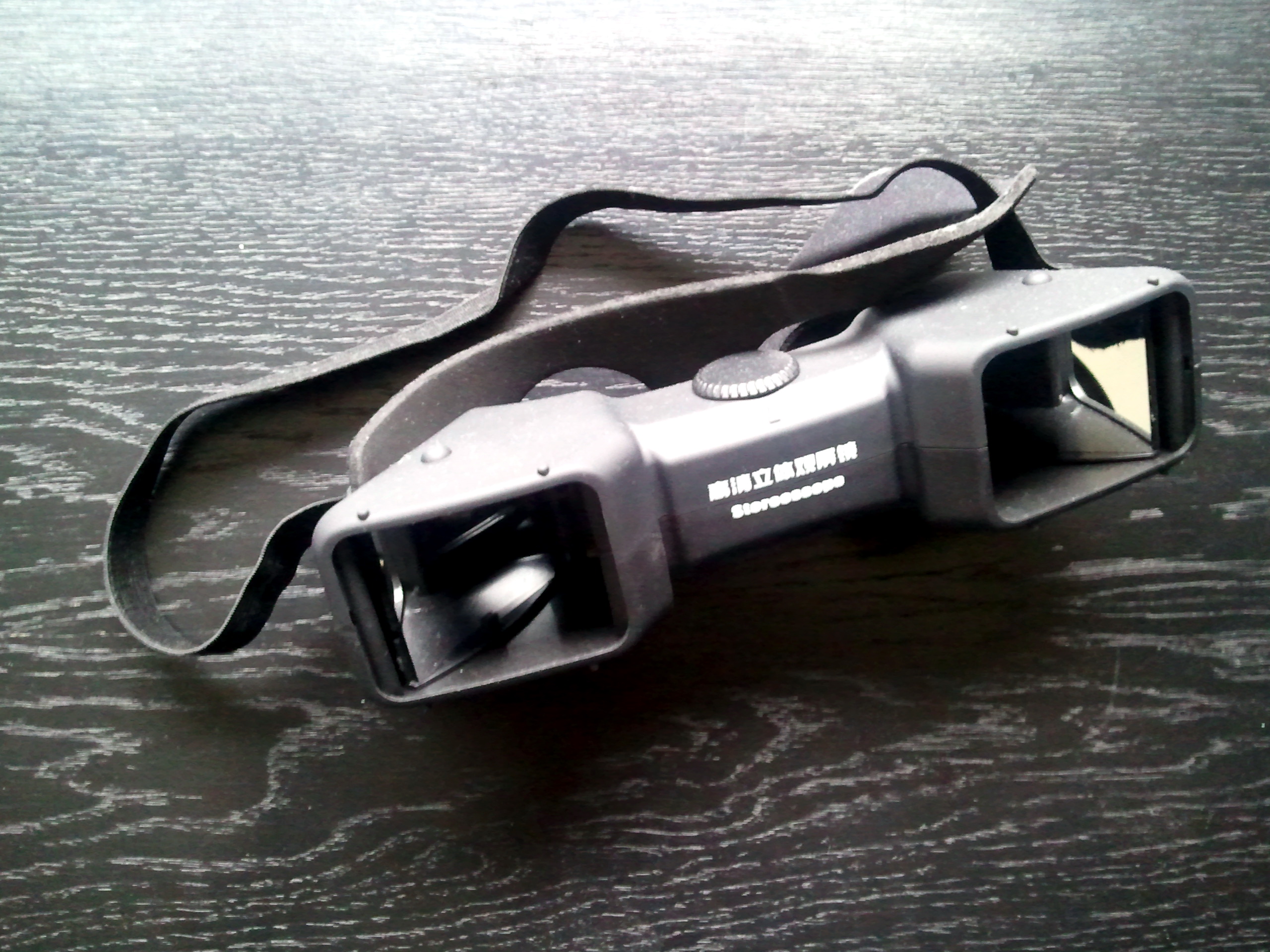
Various types exist, from the original Wheatstone mirror stereoscope to the compact Brewster lenticular design. All can be used for vision therapy. Stereoscopic image cards are widely available online and can also be printed at home.
Pencil Push-Ups
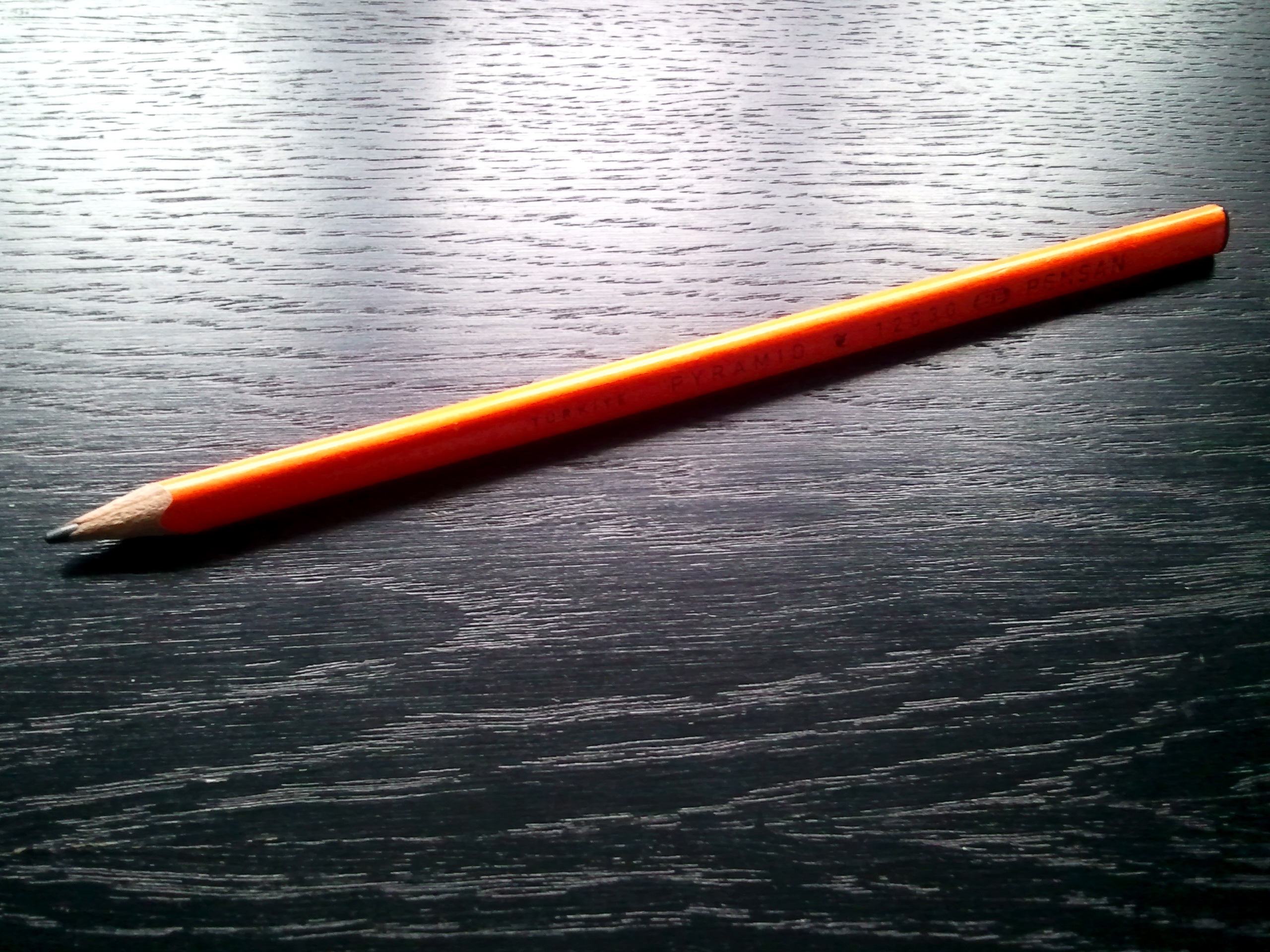
One of the simplest convergence exercises. Hold a pencil at arm's length and slowly bring it toward the bridge of your nose, keeping it in focus with both eyes. When the pencil appears to double, stop and try to re-fuse the image. Repeat 10 to 15 times per session.
Additional Vision Therapy Resources
The following downloadable documents provide comprehensive therapy schedules and reference materials: